Market overview
The rental housing market in Riga has undergone significant changes in the first half of 2024. While the city remains the most populous in Latvia, the population has seen a decline. In early 2024, Riga’s population was approximately 619,000, reflecting a downward trend that has been ongoing for several years due to low birth rates and emigration. (World Population Review) (Population Stat)
Rental prices and demand
Rental prices in Riga have experienced a moderate increase. The rising cost of living and inflation have influenced rental rates, pushing them higher. According to the latest data, average rental prices have risen by around 5% compared to the same period last year. This increase is partly driven by a higher demand for rental properties, particularly in well-developed urban areas and near key infrastructure like transportation hubs and educational institutions.
Factors influencing demand
Several factors have contributed to the growing demand for rental properties in Riga:
Urbanization and Migration: Despite the overall population decline, there has been a trend of migration from rural areas to the city. Many young professionals and families are relocating to Riga for better employment opportunities, education, and lifestyle amenities. This urban migration has increased the demand for rental housing.
Education: Riga is home to several prestigious universities and colleges, attracting students from across Latvia and neighboring countries. The influx of students has boosted the demand for rental accommodations, especially near educational institutions.
Preferences in rental properties
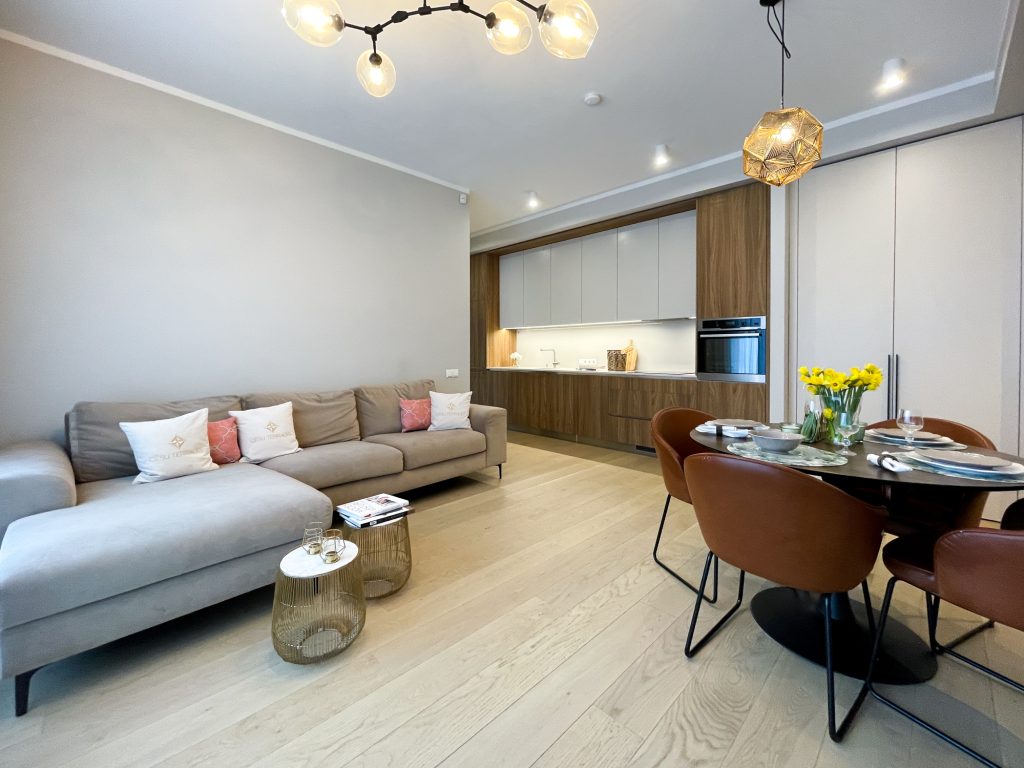
Renters in Riga are increasingly looking for modern, well-furnished apartments with amenities. The preferences include:
Location: Proximity to public transportation, workplaces, and educational institutions is a key factor. Areas like the city center, Mežaparks, and Purvciems are highly sought after due to their convenient locations.
Amenities: Modern amenities such as high-speed internet, secure parking, and energy-efficient appliances are becoming essential. Properties offering these features tend to command higher rental prices.
Sustainability: There is a growing preference for eco-friendly and energy-efficient buildings. Tenants are increasingly conscious of their environmental impact and prefer properties that align with their sustainability values.
Market Challenges
Despite the positive trends, the rental market in Riga faces several challenges:
Population Decline: The continuous population decline poses a long-term challenge. If the trend continues, it could lead to an oversupply of rental properties and potential decreases in rental prices in the future.
Economic Uncertainty: Global economic uncertainties, including inflation and energy price fluctuations, could impact tenants’ ability to afford higher rents. This could potentially slow down the growth in rental prices.
Regulatory Changes: Changes in housing policies and regulations could affect the rental market dynamics. It is crucial for property owners and investors to stay updated with any legislative changes that might impact rental agreements and pricing.
Investment Opportunities
The rental market in Riga presents several investment opportunities:
Renovation Projects: Investing in older properties and renovating them to meet modern standards can yield high returns. There is a significant demand for well-maintained, modern apartments in prime locations.
Student Housing: Given the influx of students, investing in properties near universities and colleges can be lucrative. Purpose-built student accommodations are in high demand and can offer stable rental income.
Short-Term Rentals: With the rise of tourism and business travel, short-term rental properties, especially in the city center, can be a profitable investment. Platforms like Airbnb have made it easier to manage short-term rentals and maximize returns.
Future Outlook
The rental market in Riga is expected to remain robust in the near term. As long as urban migration continues and economic conditions remain stable, demand for rental properties will persist. However, it is essential for investors and property owners to be mindful of the potential challenges and adapt to changing market conditions.
Conclusion
In summary, the rental housing market in Riga from January to June 2024 has seen moderate price increases driven by urban migration, economic stability, and the demand for modern amenities. Despite challenges such as population decline and economic uncertainties, the market presents various investment opportunities, particularly in renovation projects, student housing, and short-term rentals. Staying informed about market trends and regulatory changes will be crucial for navigating the evolving rental landscape in Riga.