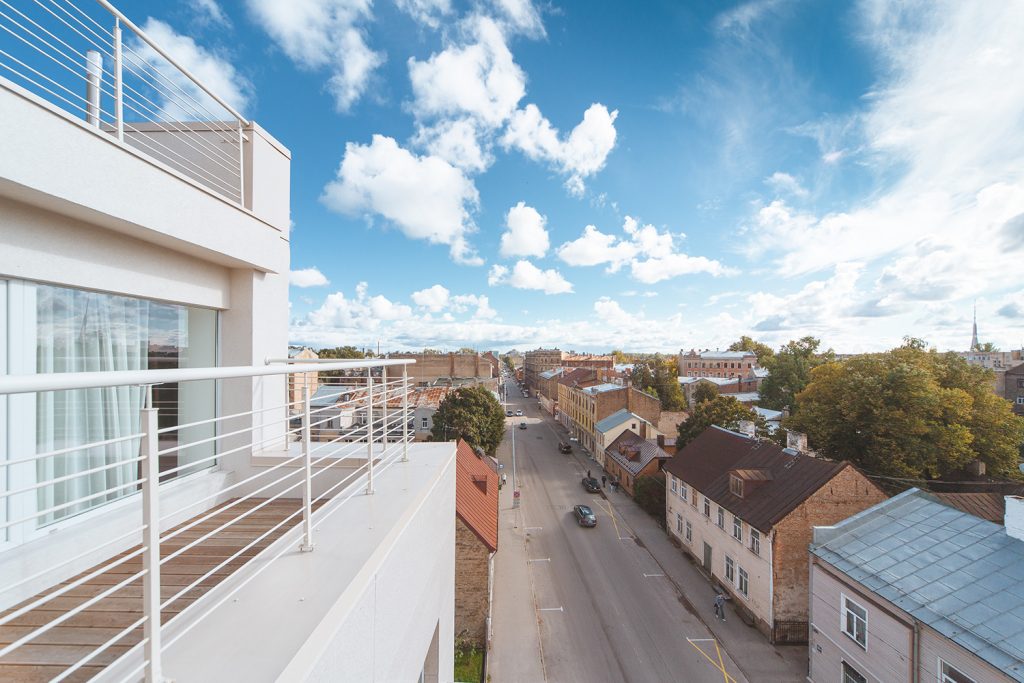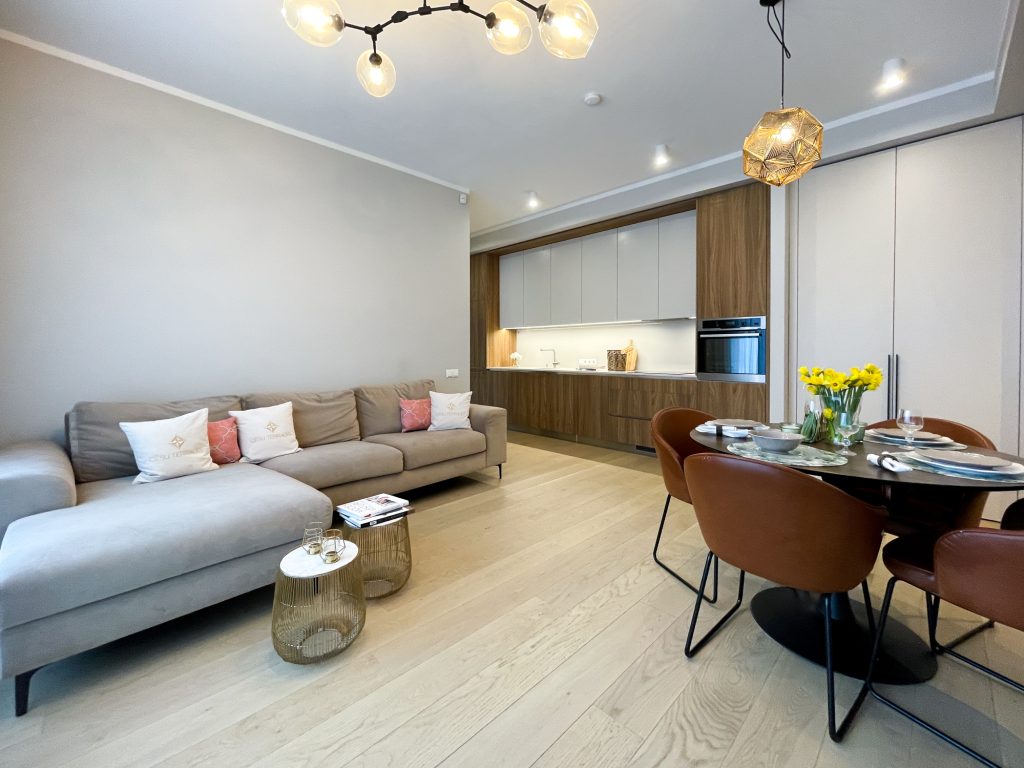
Looking for an apartment rental in Riga – whether a modern flat in Riga city center or a cozy home in the suburbs – can be exciting. But to avoid unpleasant surprises, it’s essential to sign a clear and fair rental contract.
A poorly written lease can leave tenants facing hidden payments, disputes with landlords, or even eviction risks. Here’s a practical checklist to make sure your rental agreement is safe and transparent.
🔎 1. Verify who the landlord Is
Before signing, make sure the person offering to rent an apartment in Riga is the actual owner.
✔️ Check the Land Register (zemesgramata.lv) – the official source of property ownership in Latvia.
👉 According to Civil Code, Article 1407, only the legal owner has the right to rent out an apartment.
💶 2. Clear rent and security deposit
Your rental contract must specify:
- the monthly rent (fixed amount),
- the due date,
- the security deposit.
💡 Deposits are usually 1–2 months’ rent.
⚠️ Asking for 3 months’ deposit is illegal in Latvia.
👉 (Residential Tenancy Law, Article 12) – the deposit cannot exceed two months’ rent.
💡 3. Utility payments – what’s Included?
When searching for apartments for rent in Riga, many tenants assume utilities are included. In reality, they are usually separate:
- heating, water, electricity, waste, internet, building maintenance.
👉 You can set up a tripartite agreement (tenant + landlord + building manager) so utility bills are sent directly to the tenant – safer and more transparent.
👉 (Residential Tenancy Law, Article 8) – the contract must specify rent and all other payments.
📅 4. Lease term and termination rules
- Contracts may be for a fixed-term (e.g., 1 year) or indefinite term.
- It must state how many months’ notice is required before termination (usually 1–3 months).
⚠️ Some contracts state that tenants cannot terminate within the first year, or else the landlord keeps the deposit.
❗ Landlords also have the right to terminate, but must respect notice periods.
👉 (Residential Tenancy Law, Article 15) – termination rules and notice periods are defined.
📸 5. Apartment inventory
Attach a move-in/move-out protocol with:
- 📷 photos of the apartment,
- 🛋️ furniture and appliances list,
- 🔢 meter readings.
👉 (Residential Tenancy Law, Article 6) – documenting the condition helps avoid disputes later.
⏰ 6. Late payment penalties
Check what penalties apply for late rent or utilities:
- usually 0.1–0.5% per day,
- higher rates may be unfair.
👉 (Residential Tenancy Law, Article 13) – penalties must be proportionate.
🛠️ 7. Damage vs. normal wear
Your contract should clarify the difference between:
- tenant-caused damage (tenant is responsible),
- normal wear and tear (landlord is responsible).
👉 (Residential Tenancy Law, Article 11) – tenants are liable only for damages they cause, not for natural wear.
🛡️ 8. Insurance
- Is the apartment insured?
- Does the landlord require the tenant to have liability insurance (e.g., in case of water damage to neighbors)?
🚪 9. Landlord’s right of entry
The landlord may not enter the apartment without notice.
Exception: emergencies such as flooding or fire.
👉 (Residential Tenancy Law, Article 10) – the landlord must ensure uninterrupted use of the apartment.
💸 10. Deposit refund
The contract must state:
- when the deposit will be refunded (usually 10–30 days after moving out),
- how last utility bills will be settled.
👉 (Residential Tenancy Law, Article 12) – the deposit must be returned if there are no unpaid debts or damages.
🐾 11. Pets
If you plan to move in with a pet, make sure it’s included in the contract.
👉 (Residential Tenancy Law, Article 6) – rules on apartment use (including pets) can be specified in the lease.
🔄 12. Subletting rights
Want to sublet or use Airbnb? It must be allowed in the contract.
👉 (Residential Tenancy Law, Article 14) – subletting is only legal with landlord’s approval.
💳 13. Payment Method
For safety, rent should always be paid to the landlord’s bank account.
❌ Avoid cash payments without receipts.
👉 (Residential Tenancy Law, Article 8) – payment procedures must be specified.
📈 14. Rent indexation
Is the rent fixed or adjustable?
👉 (Residential Tenancy Law, Article 9) – rent can only be increased if agreed in advance (e.g., tied to inflation).
📜 15. Landlord’s obligations
The landlord must guarantee the apartment can be lawfully used and is not subject to seizure or mortgage.
👉 (Residential Tenancy Law, Article 10) – the landlord is responsible for providing safe and uninterrupted use.
✅ Conclusion
A safe rental contract is one that:
- 💶 clearly defines rent and deposit (max 2 months),
- ⏰ sets fair notice periods for both tenant and landlord,
- 🛠️ clarifies damages vs. wear and tear,
- 💸 specifies deposit refund rules,
- 🔌 details utilities and payments,
- 🐾 covers pets and subletting,
- 🚪 protects tenant privacy.
👉 If you’re searching for an apartment for rent in Riga or especially an apartment rental in Riga city center, CityStar ensures transparent, fair contracts – making apartment rental in Latvia safe for tenants.